

Visionary Biochemist Delivers 2026 Kimberly Prize Lecture
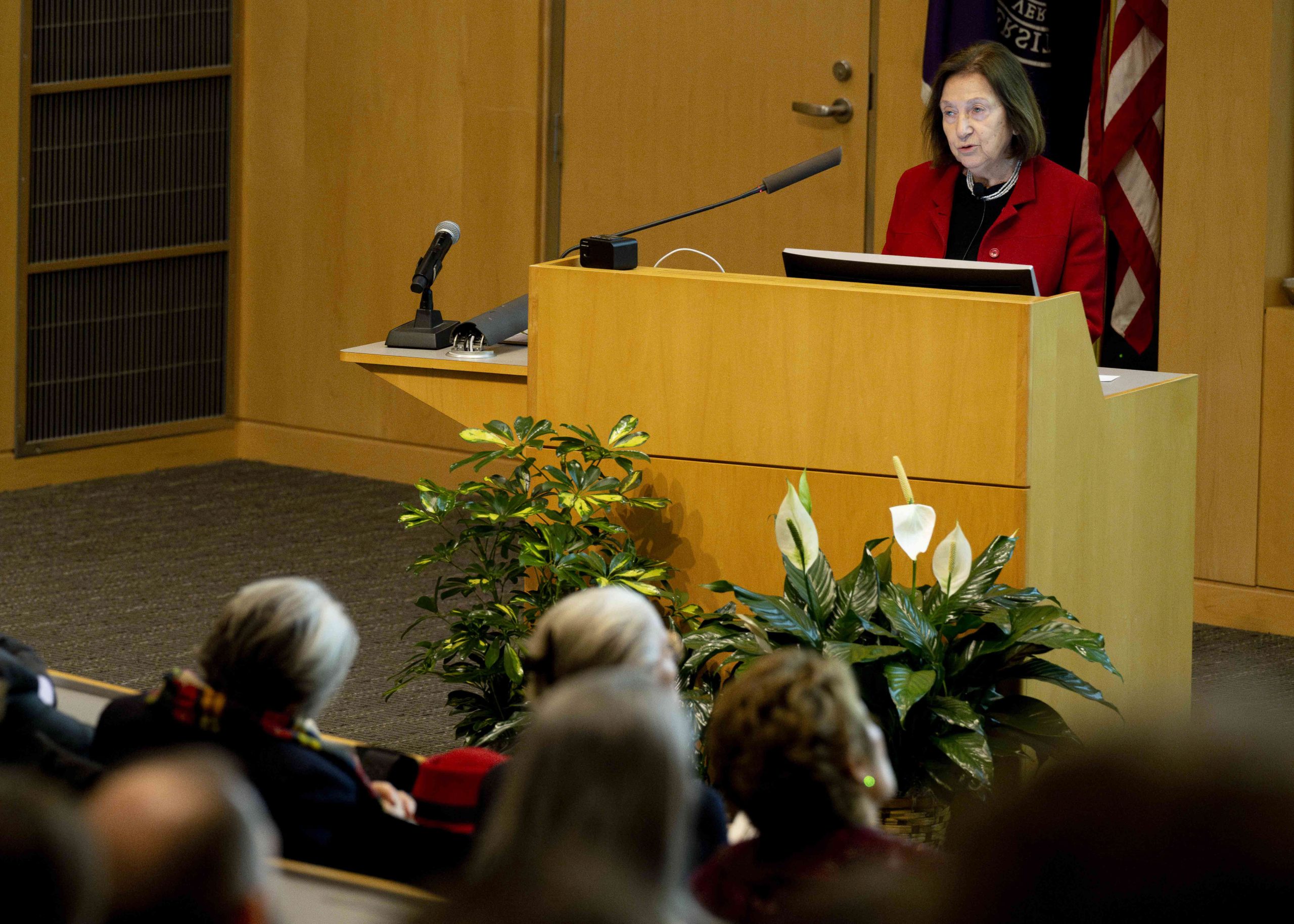
Svetlana Mojsov, PhD, the Lulu Chow Wang and Robin Chemers Neustein Research Associate Professor at Rockefeller University, delivered the 2026 Kimberly Prize Lecture on April 20, drawing on decades of groundbreaking research that helped transform the treatment of diabetes and obesity.
Mojsov, a visionary biochemist whose work laid the foundation for the development of glucagon‑like peptide‑1 (GLP‑1)–based therapies, discussed her early discoveries, tracing the scientific journey that led to the discovery of GLP‑1 and its role in regulating insulin secretion and glucose metabolism.
“Receiving the Kimberly Prize is a tremendous honor,” Mojsov said as she began her lecture. “It gave me an opportunity to visit Northwestern and experience the science happening here, which is outstanding and inspiring. It also gives me an opportunity to tell you more about my work.”
During her lecture, Mojsov described her early years in peptide synthesis and hormone biology, including the experiments that identified the biologically active form of GLP‑1 and demonstrated its insulin‑stimulating effects. The research, conducted in collaboration with colleagues at Massachusetts General Hospital and other institutions, helped establish GLP‑1 as a key incretin hormone and opened the door to an entirely new class of therapeutic medicines.
Drugs based on GLP‑1 drugs are now widely prescribed for the treatment of Type 2 diabetes and obesity and are used by millions of patients worldwide under brand names including Ozempic and Wegovy.
Ali Shilatifard, PhD, the Robert Francis Furchgott Professor and chair of Biochemistry and Molecular Genetics and director of the Simpson Querrey Institute for Epigenetics, introduced Mojsov to the packed auditorium.
“Today, we are celebrating the awesome power of biochemistry and molecular genetics and the fact that there are no advancements in medicine without it,” Shilatifard said.
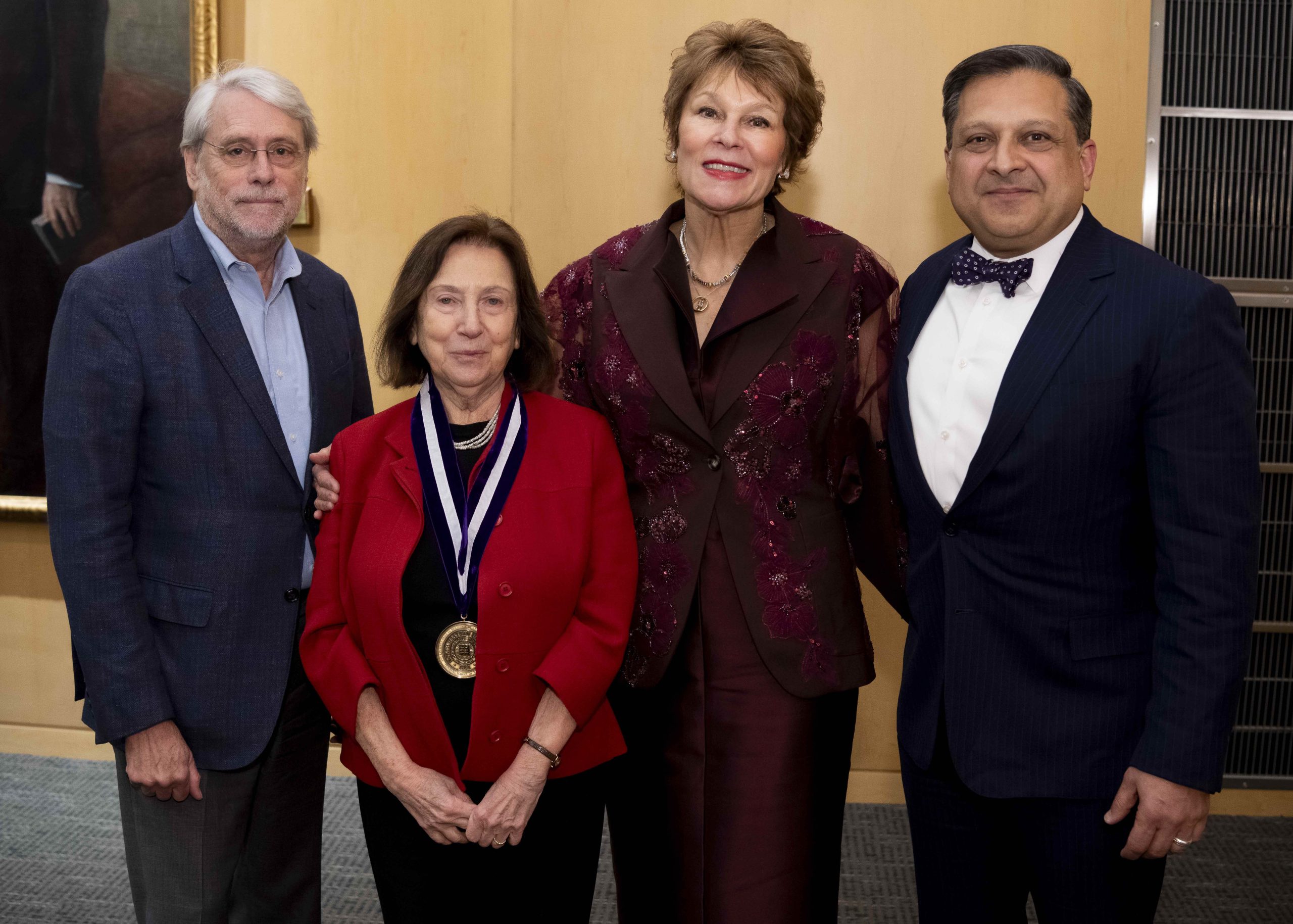
Mojsov’s career spans more than four decades and includes seminal contributions to biochemistry, endocrinology and translational medicine. She earned her undergraduate degree in physical chemistry from the University of Belgrade and completed her doctoral training at Rockefeller University, where she worked in the laboratory of Nobel laureate Bruce Merrifield and developed expertise in solid‑phase peptide synthesis.
Her research interests have focused on how peptides and small proteins regulate physiological processes in both health and disease. In addition to her work on GLP‑1 in humans, Mojsov has conducted comparative studies in non‑mammalian systems, shedding light on the evolution of hormone signaling pathways.
In recognition of her contributions, Mojsov has received numerous national and international honors, including the Lasker–DeBakey Clinical Medical Research Award, the Breakthrough Prize in Life Sciences and the BBVA Foundation Frontiers of Knowledge Award in Biology and Biomedicine.
“The discovery of GLP-1 highlights the importance of fundamental basic science in the development of effective medicine, in this case, for diabetes and obesity,” Mojsov said.
The Kimberly Prize in Biochemistry and Molecular Genetics, the largest biochemistry award offered in the U.S., is given by Kimberly Querrey in honor of her late husband, Lou Simpson, a Northwestern trustee, alumnus and benefactor. The award is given each year to a scientist who has made outstanding research contributions to understanding the molecular basis of life with a direct demonstrated link of their discovery to the clinic for the betterment of humankind.
Prize recipients are nominated and reviewed by the dean of Northwestern University Feinberg School of Medicine, the director of the Simpson Querrey Institute for Epigenetics and other luminaries. The annual prize of $250,000 is given by the Simpson Querrey Institute for Epigenetics and administered by the Feinberg School of Medicine.
Legal Disclaimer:
EIN Presswire provides this news content "as is" without warranty of any kind. We do not accept any responsibility or liability for the accuracy, content, images, videos, licenses, completeness, legality, or reliability of the information contained in this article. If you have any complaints or copyright issues related to this article, kindly contact the author above.
